A sewage backup is one of the most unpleasant and hazardous issues a property owner can face. Not only does it create a foul odor, but it also poses serious health risks and structural damage to homes and businesses. Understanding the causes, recognizing the dangers, and knowing the best solutions can help mitigate the damage and restore safety. Let’s discuss everything you need to know about sewage backup cleanup.
Common Causes of Sewage Backup
Sewage backups occur due to various reasons, and identifying the root cause is essential for prevention and proper cleanup. Some common causes include:
- Clogged Drains and Pipes – Accumulation of grease, hair, soap scum, and other debris can obstruct pipes, leading to backups.
- Tree Root Intrusion – Roots from nearby trees can grow into sewer lines, causing blockages or pipe damage.
- Broken or Collapsed Sewer Lines – Aging pipes, corrosion, or shifting soil can lead to cracks and breaks in the sewer system.
- Heavy Rainfall and Flooding – Excess water from storms can overwhelm sewer systems, causing wastewater to back up into homes.
- Municipal Sewer Issues – If the city’s sewer system becomes blocked or malfunctions, it can lead to backups in multiple homes.
- Sump Pump Failures – If a sump pump isn’t functioning correctly, it can’t redirect wastewater, leading to potential overflows.
Risks and Health Hazards of Sewage Backups
Sewage backups are more than just a messy inconvenience; they present serious health risks and structural threats, including:
- Exposure to Harmful Bacteria and Viruses – Sewage contains pathogens like E. coli, hepatitis, and salmonella that can cause severe illnesses.
- Mold Growth – The moisture from a backup can create an environment for mold and mildew, which can affect indoor air quality and respiratory health.
- Contaminated Water Supply – A severe backup can compromise clean water sources, leading to further contamination.
- Structural Damage – Prolonged exposure to sewage water can weaken flooring, walls, and foundations, increasing repair costs.
- Unpleasant Odors – The lingering smell from sewage backups can be difficult to eliminate without proper cleaning and deodorization.
Effective Solutions for Sewage Backup Cleanup
If you experience a sewage backup, taking immediate action is crucial to minimize damage and health risks. Here’s a step-by-step guide to effective cleanup:
1. Ensure Safety First
- Evacuate the affected area and keep children and pets away.
- Turn off the electricity if water levels are high to prevent electrical hazards.
- Wear protective gear such as gloves, boots, and masks before attempting cleanup.
2. Stop the Source of Backup
- Identify the cause of the backup and stop further water flow.
- If necessary, shut off the main water supply.
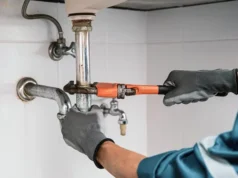
- Contact a professional plumber if the problem is beyond your control.
3. Remove Standing Water
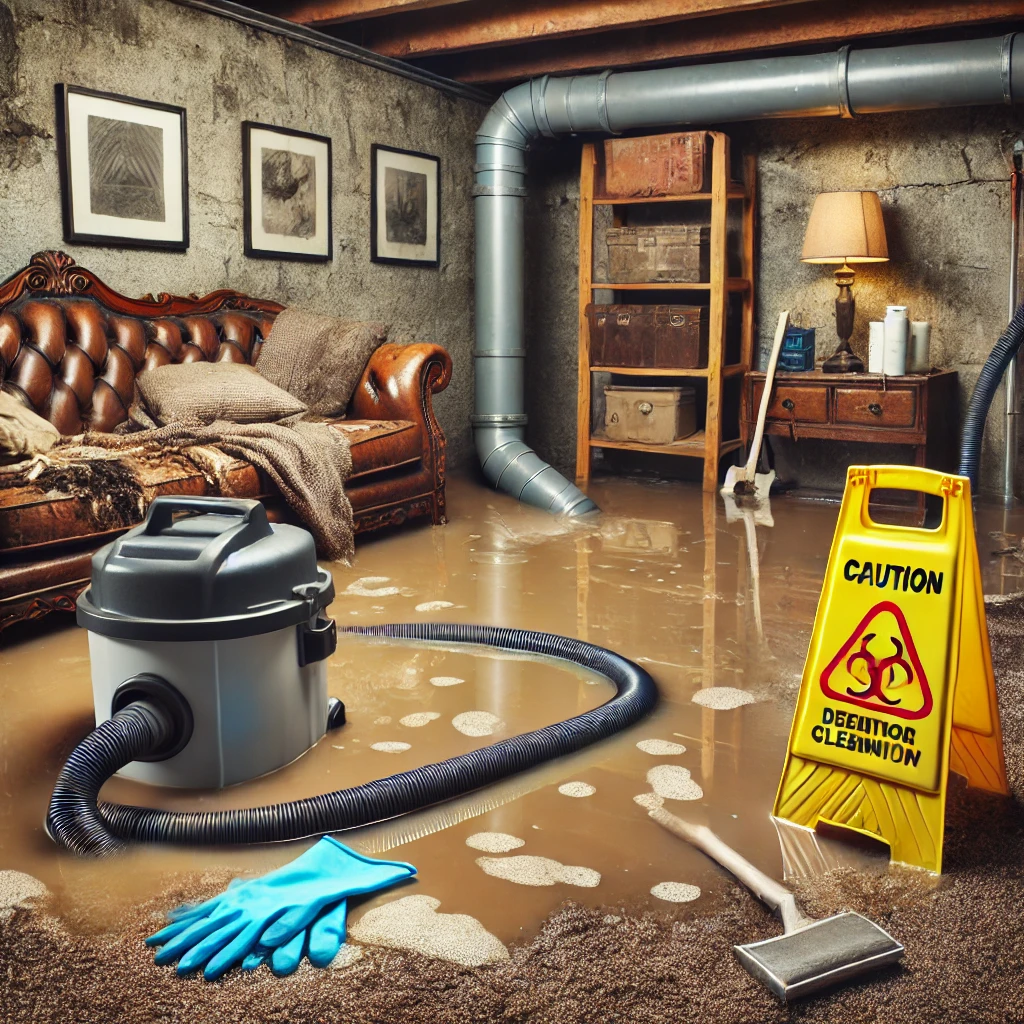
- Use a wet/dry vacuum or pump to extract sewage water.
- Avoid using regular vacuums, as they are not designed for handling contaminated water.
- Dispose of the wastewater properly as per local regulations.
4. Clean and Disinfect Affected Areas
- Scrub floors, walls, and surfaces with hot water and a disinfectant solution.
- Use a bleach-based cleaner to eliminate bacteria and odors.
- Dispose of contaminated items that cannot be salvaged, such as carpets and upholstered furniture.
5. Dry and Dehumidify
- Use fans, dehumidifiers, and open windows to dry the area completely.
- Prevent mold growth by ensuring no moisture remains.
- Consider professional drying services for extensive water damage.
6. Contact Professionals for Thorough Cleanup
- If the damage is extensive, hiring a sewage cleanup service is recommended.
- Professionals use advanced equipment to clean, disinfect, and restore the affected areas.
Preventive Measures to Avoid Future Sewage Backups
While sewage backups can be disruptive, preventive measures can significantly reduce the likelihood of occurrence. Here are some tips:
- Dispose of Waste Properly – Avoid flushing non-biodegradable items like wipes, diapers, and paper towels.
- Regular Drain Maintenance – Schedule periodic drain cleaning to remove buildup before it becomes a clog.
- Install a Backwater Valve – This device prevents sewage from flowing back into your home during heavy rains or sewer failures.
- Monitor Tree Growth Near Sewer Lines – Keep an eye on tree roots that could interfere with underground pipes.
- Upgrade Old Plumbing – If your home has outdated pipes, consider replacing them with modern, more durable materials.
- Maintain Sump Pumps – Regularly inspect and test your sump pump to ensure it functions correctly.
FAQs
1. Can I clean up a sewage backup myself? For minor backups, you can attempt cleanup with proper safety gear and disinfectants. However, for extensive backups, professional cleanup is recommended.
2. How long does it take to clean a sewage backup? The time required depends on the severity of the backup. Minor spills may take a few hours, while major damage can take several days to fully restore.
3. Will my homeowner’s insurance cover sewage backup cleanup? Many policies require additional sewage backup coverage. Check with your insurer to confirm your coverage.
4. What should I do if my basement floods with sewage water? Turn off power to the affected area, avoid contact with the water, and contact a professional immediately for cleanup and damage assessment.
5. How can I remove the sewage odor from my home? Thorough cleaning, disinfecting, and using air purifiers or odor-neutralizing sprays can help. For persistent odors, professional deodorization may be necessary.
Conclusion
Sewage backups can be stressful, but with the right knowledge and quick action, you can manage the situation effectively. Understanding the causes, risks, and cleanup solutions will help you protect your home and health. If you ever experience a sewage backup, following these steps or calling a professional can make all the difference in restoring your property safely. Have you had an experience with sewage backup? Let’s discuss your challenges and solutions!
Apart from that if you want to know about “Identifying and Detecting Hidden Water Damage Before It’s Too Late” then please visit our “Home Improvement” Category.