
Every industrial process demands precision, and curing ovens are no exception. The heating elements inside these ovens determine how efficiently materials cure, impacting everything from product durability to production speed. Knowing how each type works helps manufacturers choose the best fit for their application.
Convection Heating for Consistent Airflow and Even Curing
Convection heating relies on circulating hot air to maintain uniform temperatures inside an industrial curing oven. This method is widely used because it provides even heat distribution, reducing the risk of hot or cold spots that could affect product quality. By continuously moving heated air around the chamber, convection ovens ensure that every part of the material receives consistent thermal exposure. This is especially useful for curing coatings, adhesives, and composite materials that require steady, controlled heat over a set period.
A major advantage of convection heating is its ability to handle large batches without temperature variations. Industries that process multiple components at once benefit from this system since it keeps curing conditions stable throughout the oven. Additionally, adjustable airflow settings allow operators to fine-tune the heat distribution based on material properties, making convection heating one of the most flexible options for an industrial curing oven.
Infrared Elements That Speed Up Processing Without Compromising Quality
Infrared heating is known for its rapid heat transfer, which significantly reduces cure cycle times. Instead of heating the air inside the oven, infrared elements directly warm the surface of the material. This makes it an efficient option for applications that require fast and precise thermal processing. Infrared curing works particularly well with coatings, powder finishes, and adhesives, as it allows for quick drying without overheating the surrounding environment.
One of the biggest benefits of infrared heating is its ability to target specific areas without excessive energy waste. Since the heat is delivered through radiation, materials with complex shapes or varying thicknesses cure more evenly. Industries looking for faster turnaround times often turn to infrared elements to improve efficiency while maintaining product integrity. This heating method is commonly used in automotive, aerospace, and electronics manufacturing, where speed and accuracy are critical.
Gas-Fired Burners for Heavy-Duty Industrial Workloads
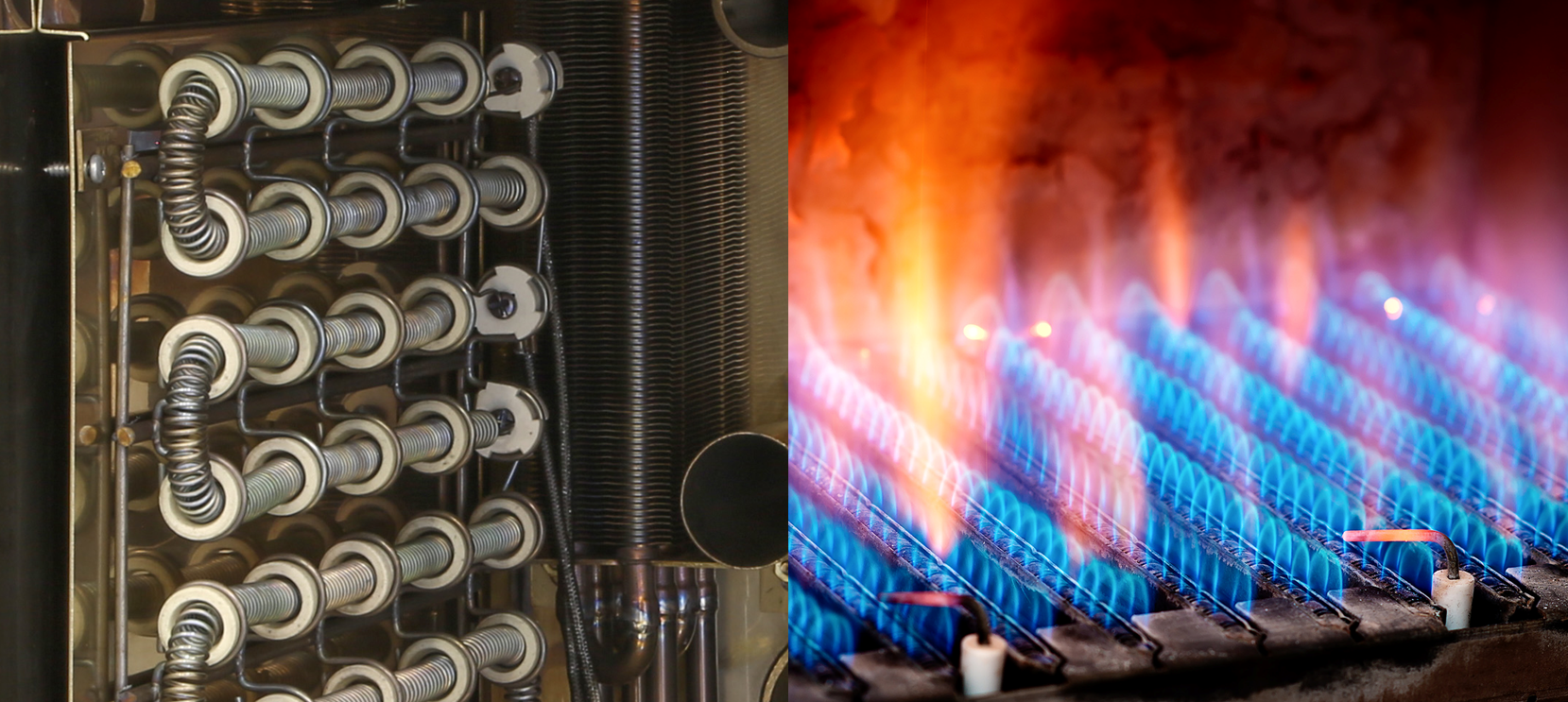
Gas-fired burners provide high-intensity heat, making them ideal for large-scale curing processes. These heating elements generate temperatures that can quickly reach and maintain the levels required for industrial coatings, composite curing, and metal finishing. Because of their efficiency and cost-effectiveness, gas-fired curing ovens are widely used in heavy manufacturing environments.
A key advantage of gas-fired systems is their ability to maintain consistent thermal output, even in large chambers. The direct flame heating process allows for faster ramp-up times, reducing energy waste and improving overall productivity. These systems are also highly customizable, with options for high-velocity burners that enhance heat distribution. For industries requiring durable and uniform curing, gas-fired burners remain a top choice in industrial curing oven technology.
Electric Coil Technology for Energy-Efficient Thermal Control
Electric coil heating elements offer precise temperature control while consuming less energy than traditional heating methods. These coils generate heat through electrical resistance, allowing operators to adjust temperature settings with a high degree of accuracy. This makes them a preferred choice for applications that demand steady and controlled heat, such as electronic component curing and specialty coatings.
One of the primary benefits of electric coil technology is its low maintenance requirements. Unlike combustion-based systems, electric elements do not produce emissions, making them a cleaner option for industries with strict environmental regulations. Additionally, these systems can be integrated with advanced thermal sensors to monitor heat distribution in real time. As industries focus on energy efficiency, electric coil heating remains a reliable and eco-friendly solution for industrial curing ovens.
Hybrid Heating Systems That Balance Speed and Uniformity
Hybrid heating systems combine multiple heat sources to optimize performance and efficiency. By integrating convection, infrared, or gas-fired elements, these ovens provide a balance between rapid processing and uniform temperature control. This makes hybrid systems a great option for manufacturers working with diverse materials that require different curing conditions.
One of the biggest advantages of hybrid systems is their adaptability. For example, an oven might use infrared heating to quickly raise the surface temperature of a product while relying on convection to maintain even curing throughout. This dual approach not only speeds up processing but also minimizes energy waste. Manufacturers who require both flexibility and precision often choose hybrid heating to meet the varied demands of industrial curing processes.
The Role of High-Velocity Air in Reducing Cure Cycle Times
High-velocity air systems enhance heat transfer by forcing heated air rapidly over the material being cured. This method significantly reduces cure cycle times while ensuring even heat penetration. By maintaining strong airflow, high-velocity heating prevents temperature inconsistencies that can lead to defects in coatings, adhesives, or composite materials.
Another major advantage is moisture control. In curing applications where humidity affects the outcome, high-velocity air helps maintain ideal drying conditions. The improved air movement reduces surface moisture more efficiently than traditional heating methods, leading to faster and more consistent results. For manufacturers looking to increase throughput without sacrificing quality, high-velocity air systems provide an effective solution within an industrial curing oven.
Apart from that if you want to know about “Choosing the Right Commercial Roofing” then please visit our Business Category.