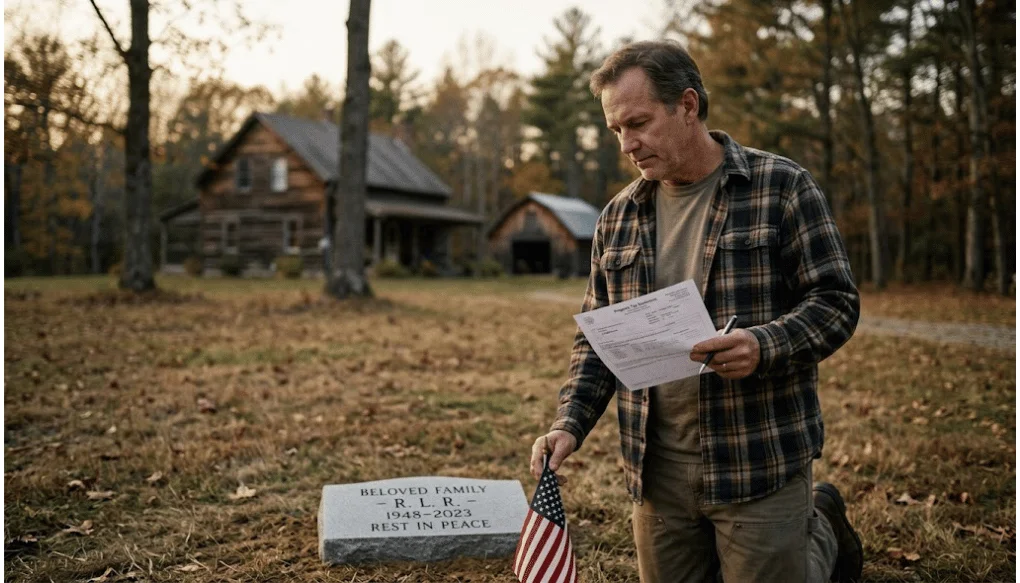
If you bury someone on your property, do you have to pay taxes? In most cases, yes, you still pay property taxes on the home and the rest of the parcel. A grave does not automatically make residential, farm, or other privately owned land tax-exempt, although a legally recognized burial area may qualify for an exemption under some state laws.
| Question | General U.S. answer |
|---|---|
| Does one grave make an entire property tax-free? | Usually no |
| Can burial land itself be exempt? | Yes, in some states if legal requirements are met |
| Must the land be used only for burial? | Often yes |
| Does the rule apply nationwide? | No, property-tax law is mainly state and local |
| Can local burial rules still prevent a home burial? | Yes |
| Should you contact the tax assessor first? | Yes, along with zoning or health officials |
Direct answer: Usually, yes. A burial on private property does not automatically make the home or entire parcel tax-exempt. Some states exempt land that is legally set apart and used exclusively for burial, often subject to filing or assessor rules, so the taxable result depends on state law and local administration.
Key Takeaways
- A backyard grave normally does not eliminate the tax bill on your entire property.
- A dedicated burial plot or family cemetery may qualify for an exemption in some states.
- “Exclusive use” for burial is a common requirement in state exemption laws.
- Home-burial legality and property-tax exemption are two separate questions.
- State statutes, county assessment practices, zoning rules, and permits can all matter.
- Check with the county assessor and local zoning or health office before creating a burial site.
Why a Grave Usually Does Not Eliminate Your Property Taxes
Property taxes are generally based on the taxable value and legal use of real estate within a local taxing jurisdiction. Placing a grave somewhere on a residential or rural parcel does not automatically change the legal status of the entire tract. The house, usable acreage, buildings, and other taxable portions normally remain subject to the same assessment system unless state law provides a specific exemption.
This distinction matters because cemetery exemptions commonly focus on land used exclusively or specifically set apart for burial. Texas, California, Illinois, Maryland, and North Carolina all have burial-property provisions, but their wording and procedures differ. A homeowner therefore should not assume that a single-family grave converts every acre on the deed into tax-free land.
When Can Burial Land Qualify for a Property-Tax Exemption?
A tax exemption becomes more plausible when part of the land meets the legal definition of burial or cemetery property under the state’s rules. Several statutes focus on exclusive burial use, while others refer to property formally set apart for human burial. The owner may also have to file an exemption claim or provide information to the local assessor before the tax treatment changes.
Common factors include:
- The burial area is legally permitted.
- The land is dedicated or set apart for burial.
- The qualifying area is not being used as ordinary residential or commercial land.
- Any non-profit or non-commercial requirement is satisfied where state law imposes one.
- Required exemption forms are filed with the correct assessor.
- Local zoning, health, deed, and burial rules are satisfied separately.
The word “exempt” also does not necessarily mean that the whole tax parcel disappears from the assessment roll. State law may allow an assessor to recognize only the qualifying cemetery portion while keeping the remaining property taxable. For property-related reading beyond this issue, Litycoop’s Real Estate section covers additional questions involving ownership, housing, and real-estate decisions.
Property-Tax Rules for Burial Land: State Examples
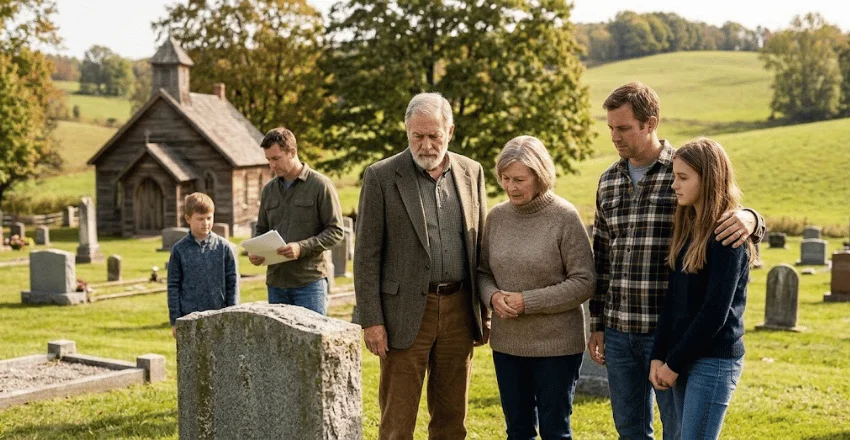
The following examples show why no single national answer exists. They describe property-tax rules, not permission to bury someone on any specific residential lot. A person must still check burial, zoning, public-health, and land-use requirements at the property’s location.
| State | Current tax rule in brief | Important condition |
|---|---|---|
| Texas | Property used exclusively for human burial can be exempt | Owner must not hold qualifying property for profit |
| North Carolina | Real property set apart for human burial purposes is exempt | Current law distinguishes application rules for commercial and other burial property |
| California | Cemetery exemption can cover property used or held exclusively for burial | Property generally cannot be used or held for profit, and exemption procedures apply |
| Illinois | Property used exclusively for cemetery purposes is exempt | Statute defines qualifying cemetery grounds and related property |
| Maryland | Certain property used exclusively to bury dead individuals is exempt | Ownership and nonprofit conditions depend on the type of owner |
Texas Tax Code Section 11.17 states that property owned and used exclusively for human burial, and not held for profit, qualifies for exemption. The Texas Comptroller also publishes a specific cemetery property-tax exemption application, Form 50-120, showing that an owner should not treat a burial alone as an automatic tax strategy.
North Carolina is especially useful as a 2026 example because its statute was amended this year. The current version exempts real property set apart for human burial and sets different application rules for commercial burial property and other burial property. That recent change is a good reason to read current statutes rather than rely on an older article or social-media claim.
California’s State Board of Equalization describes a cemetery exemption for property used or held exclusively for permanent deposit of the human dead, subject to its rules and filing requirements. Illinois separately exempts property used exclusively for cemetery purposes, while Maryland exempts qualifying property actually used exclusively to bury dead individuals. These examples share a theme, but they do not create a nationwide rule.
Is It Legal to Bury Someone on Private Property?
Tax treatment should never be confused with legal permission to conduct the burial. Funeral Consumers Alliance says most states permit some form of burial on private property, but municipal zoning restrictions and permit requirements can apply. Several states also require funeral-director involvement in parts of the death-care or burial process, so the owner must check more than the tax code.
Local rules can control setbacks, burial permits, access, documentation, and whether the parcel may be used for human interment at all. Massachusetts, for example, requires local approval for a home burial and requires the burial to be noted on the property deed before a later transfer. Florida advises owners to check local ordinances, zoning rules, deed restrictions, and burial-transit requirements before burying family members on private land.
For broader legal reading, Litycoop maintains a Law section with articles explaining U.S. legal issues in general terms. That material can provide background, but state statutes and local officials should control a decision involving an actual burial. A local attorney may also be useful when title restrictions, access rights, or a family cemetery are involved.
What Happens If You Later Sell Property With a Grave on It?
A burial site can become a long-term land-use issue even when the annual tax effect is small. Future buyers, lenders, title professionals, and family members may need to know where the grave is located and what rights or restrictions attach to it. Funeral Consumers Alliance warns that remains on private land may become difficult to access if a family cemetery has not been properly established.
Some states or local procedures can also require burial information to become part of the property record. That may affect how a future owner can use the land, particularly if descendants retain access or the burial ground has a protected legal status. Before selling, owners should raise the issue with a title professional or real-estate attorney rather than assuming the grave can be treated like an ordinary landscaping feature.
If a sale is already part of your long-term plan, Litycoop’s U.S. real-estate brokers guide discusses the basic role of brokers in residential transactions. Its Real Estate section also provides related property articles. Neither source replaces state-specific advice about cemetery land, title restrictions, or mandatory disclosures.
If You Bury Someone on Your Property Do You Have to Pay Taxes in Every State?
No single federal rule makes private land tax-free because a person is buried there. State statutes create the cemetery and burial-property exemptions that matter, and county or municipal assessors administer many of those rules. Two homeowners in different states can therefore receive different treatment even if each has a family grave on similarly sized land.
The most common mistake is treating a cemetery exemption as a loophole for the entire home. An exemption may require exclusive burial use, formal designation, an application, or another condition that an ordinary backyard does not satisfy. Even where an exemption exists, the tax value removed from the roll may be limited to the qualifying burial property rather than the house and every surrounding acre.
What Should You Do Before Planning a Home Burial?
Before making a permanent decision, contact the government offices that control both the burial and the tax status. Ask each office for the statute, ordinance, application, or written guidance that applies to your parcel. Keep copies of approvals and property records because the issue can affect future owners and the current tax bill.
A practical order is:
- Call the county or local tax assessor. Ask whether burial or cemetery property qualifies for an exemption and how much land can qualify.
- Check state burial law. Confirm whether private-property burial is permitted and whether a funeral director must participate.
- Contact local zoning or health officials. Ask about permits, setbacks, water-source restrictions, and lot requirements.
- Review your deed and private restrictions. Homeowners’ association rules, easements, or other recorded restrictions may matter.
- Ask how the burial must be recorded. Some jurisdictions require documentation that follows the property.
- Consider future sale and family access. Determine how relatives will reach the grave if ownership changes.
- Get professional advice for an unusual case. A tax adviser, title professional, or local attorney can review state-specific consequences.
Frequently Asked Questions
If you bury someone on your property, do you have to pay taxes?
Usually, yes, the home and other taxable parts of the property remain subject to property tax. A qualifying burial area may receive an exemption under state law, but a grave alone does not automatically exempt the entire parcel. The local tax assessor can explain whether your specific land qualifies and what filing is required.
Does turning part of your land into a family cemetery make the whole property tax-free?
Usually not. Cemetery exemptions usually focus on property used exclusively or set apart for burial, so mixed residential and burial use can result in different tax treatment for different parts of the land. The exact result depends on the state statute and how the local assessor applies it.
Can you claim a cemetery tax exemption after one family burial?
There is no nationwide one-burial rule. Some states focus on how land is dedicated and used rather than simply counting graves, while filing requirements also differ. Ask the assessor what evidence is required before assuming that one interment qualifies the property.
Can you bury someone at home without telling the county?
Don’t assume you can. State and local rules may require permits, zoning approval, death records, burial-transit documents, deed information, or professional involvement. Checking these requirements before burial can prevent serious title, land-use, and compliance problems.
Does a private grave affect the value or sale of a home?
It can affect how future buyers view the property and may create title, access, or disclosure questions. The size of that effect depends on the legal status of the burial site and local market conditions, so there is no reliable nationwide dollar amount. Owners who expect to sell should discuss the burial with a title professional or real-estate attorney before listing the property.
The Bottom Line
Burying a person on private property is not a dependable way to stop paying property taxes on your home. Some states exempt cemetery or burial land, but those laws usually include conditions involving exclusive use, legal designation, ownership, profit status, applications, or local assessment procedures. The safest starting point is your county assessor, followed by the local offices responsible for zoning, health, and burial permits.
This article provides general U.S. information rather than legal or tax advice for a particular property. Rules can change, and local requirements can be stricter than the state-level rules discussed here. Before creating a permanent burial site, verify the current law for the exact county and state where the land is located.