Hormonal acne is a frustrating reality for many people, and it’s not just limited to teenagers. Adults, especially women, often experience breakouts tied to hormonal fluctuations, particularly around the menstrual cycle, pregnancy, or periods of high stress. The key to managing these breakouts isn’t to fight your hormones—because, let’s face it, that rarely works—but to understand how they influence your skin and how you can support it through these changes.
How Hormonal Cycles Trigger Breakouts
Breakouts during cycle changes are some of the most common complaints in adult dermatology. Around ovulation or just before menstruation, hormone levels—particularly androgens like testosterone—spike. This causes an increase in sebum production. Sebum, while essential for keeping your skin moisturized, can quickly turn into a problem when overproduced. It clogs pores, traps bacteria, and triggers inflammation, leading to those painful, deep under-the-skin pimples we associate with hormonal acne.
It’s not just women who deal with this. Men also experience hormonal shifts, especially during times of stress, changes in diet, or disrupted sleep. For both sexes, the acne pattern usually appears around the chin, jawline, and lower cheeks—areas known for higher concentrations of oil glands.
Understanding the root cause of your breakouts helps in choosing the right skincare strategy. One of the most effective ways to address hormonal acne is by sticking to a consistent skincare routine that supports your skin’s natural balance, especially when it’s most vulnerable. Using products from ranges designed specifically for combination and acne-prone skin, like the Sebium line, can help regulate oil production without drying out the skin or causing irritation.
Why Harsh Products Backfire
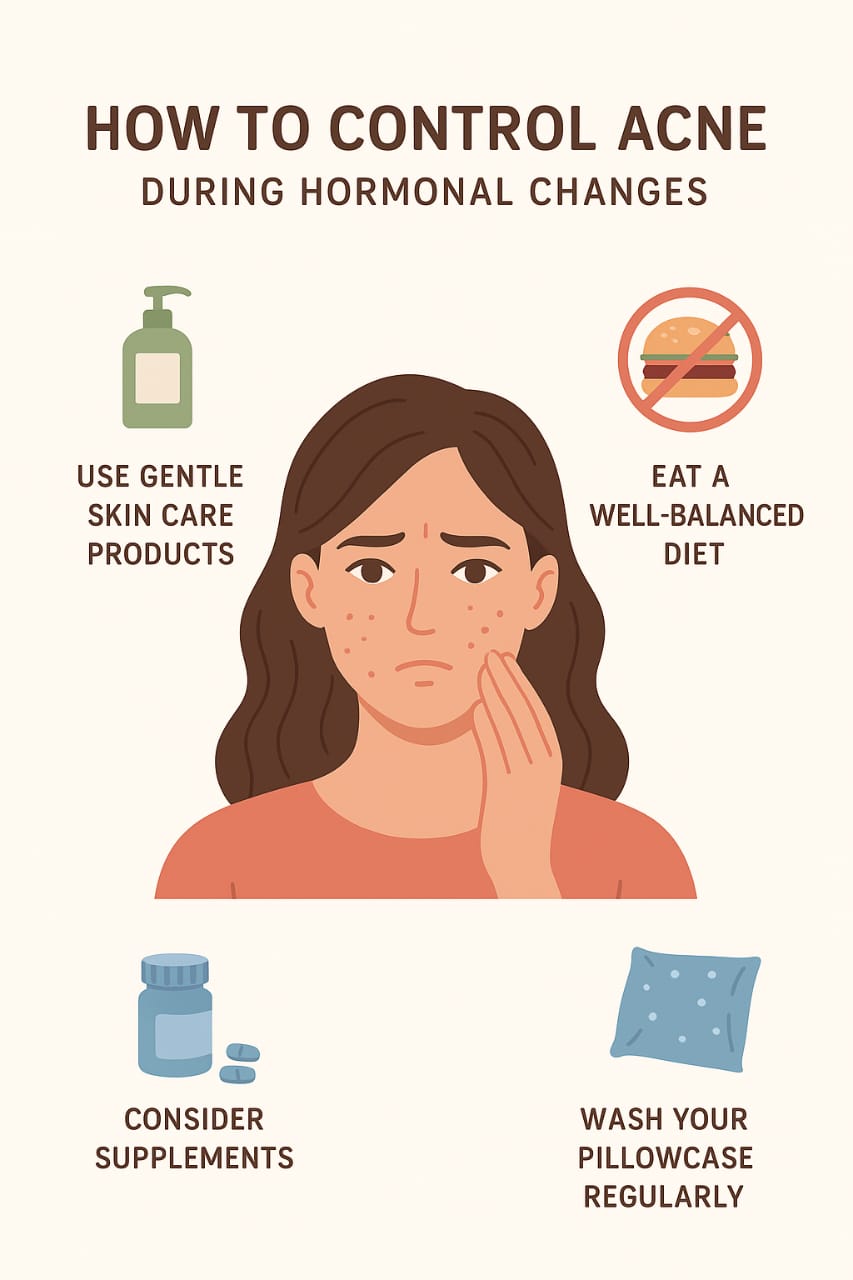
One of the common mistakes adults make is using overly harsh products that promise to zap pimples overnight. The problem is that these often contain high concentrations of alcohol or stripping agents, which can damage the skin barrier. When that happens, your skin goes into panic mode and produces even more oil to compensate. It’s a vicious cycle.
Instead, look for gentle cleansers that remove excess oil without leaving your skin tight. Moisturizing is also essential, even oily or acne-prone skin needs hydration. The trick is to choose non-comedogenic moisturizers that won’t clog pores. In fact, some moisturizers have active ingredients that help keep acne under control while soothing the skin, making them an essential part of any adult acne routine.
Timing Your Routine and Lifestyle Choices
Another important part of acne management during hormonal changes is timing. If you know that you tend to break out at a specific point in your cycle, you can prepare your skin in advance. A few days before your typical breakout period, start incorporating targeted treatments such as serums with zinc, niacinamide, or salicylic acid. These ingredients help reduce inflammation and keep pores clear.
Diet and lifestyle also play a role. While there’s no one-size-fits-all rule, many people report improvements when they reduce sugar and dairy intake, two common acne triggers. Managing stress is equally important. When you’re stressed, your body releases cortisol, which also triggers oil production. Getting enough sleep, practicing relaxation techniques, and staying active can indirectly help your skin stay clearer.
When to Seek Medical Treatment
Some people may need medical support for more persistent hormonal acne. Dermatologists often prescribe topical retinoids, hormone regulators like spironolactone, or even low-dose oral contraceptives for women. However, skincare remains a vital part of the solution, even alongside prescription treatments.
In summary, hormonal acne isn’t just something to be endured. It can be understood, anticipated, and managed with the right products for care. Instead of fighting your skin, support it with smart, gentle products like those from the Sebium range, a consistent routine, and attention to internal factors like stress and diet. While breakouts during your cycle may not disappear completely, they can become far less disruptive—and your skin is much more predictable.