
Truck driver jobs are essential to the economy, ensuring goods are transported efficiently across cities, states, and even international borders. However, with the responsibility of operating large commercial vehicles comes the need for strict adherence to safety and compliance regulations. Whether you’re an experienced driver or just starting in the industry, understanding these rules is crucial for staying safe and maintaining a successful career.
Why are safety and compliance so important in truck driver jobs? What regulations do drivers need to follow? Let’s discuss these key factors and how they impact the industry.
1. The Importance of Safety in Truck Driver Jobs
Driving a commercial truck is vastly different from operating a standard vehicle. Large trucks require more time to stop, have larger blind spots, and can cause significant damage in an accident. Safety must always be a top priority for those in truck driver jobs.
Why Safety Matters:
- Preventing Accidents: Trucks can weigh up to 80,000 pounds, making crashes extremely dangerous.
- Protecting Lives: Safe driving reduces risks for truckers, other motorists, and pedestrians.
- Reducing Costs: Accidents lead to expensive repairs, legal issues, and increased insurance rates.
- Enhancing Career Longevity: Truck drivers with clean safety records have better job security and higher pay opportunities.
To ensure safety on the road, drivers must follow specific regulations designed to minimize risks.
2. Compliance Regulations for Truck Drivers
Truck driver jobs come with strict compliance requirements enforced by government agencies like the Federal Motor Carrier Safety Administration (FMCSA) in the U.S. These regulations help prevent accidents and ensure that drivers are fit for duty.
Key Compliance Rules:
a. Hours of Service (HOS) Rules
Fatigue is a major cause of accidents in truck driver jobs. To prevent this, HOS regulations limit how long a driver can operate a vehicle before taking a break.
HOS Rules in the U.S.:
- Maximum Driving Time: 11 hours after 10 consecutive hours off duty.
- Maximum Workday: 14 hours, including non-driving duties.
- Mandatory Breaks: 30-minute rest required after 8 hours of driving.
- Weekly Limits: 60 hours per 7 days or 70 hours per 8 days, with a 34-hour reset option.
Truck drivers must track their hours using Electronic Logging Devices (ELDs), which automatically record driving time and help ensure compliance.
b. Vehicle Maintenance and Inspections
Before hitting the road, truck drivers are required to inspect their vehicles to ensure they are in proper working condition.
Inspection Checklist:
- Brakes and tires
- Lights and signals
- Mirrors and windshield visibility
- Fluid levels and engine performance
- Emergency equipment (fire extinguisher, reflective triangles)
Failing to complete proper inspections can lead to mechanical failures, fines, or accidents.
c. Drug and Alcohol Testing
Since truck driver jobs involve operating heavy machinery, staying sober is essential. The FMCSA enforces strict drug and alcohol testing policies, which include:
- Pre-employment testing before starting a new job.
- Random testing throughout employment.
- Post-accident testing if an accident occurs.
- Suspicion-based testing if there is reason to believe a driver is impaired.
A failed test can lead to immediate job termination and suspension of a commercial driver’s license (CDL).
d. Weight and Cargo Regulations
Overloading a truck can lead to brake failure, tire blowouts, and dangerous handling issues. That’s why weight and load limits are strictly regulated.
- Gross Vehicle Weight Rating (GVWR): Determines the legal maximum weight a truck can carry.
- Axle Weight Limits: Ensure even distribution of cargo to prevent rollovers.
- Cargo Securement Rules: Requires proper securing of loads to prevent shifting or falling objects.
Violating these rules can result in fines, vehicle impoundment, or even loss of CDL privileges.
3. Best Safety Practices for Truck Drivers
In addition to legal requirements, truck drivers should develop good safety habits to reduce risks and improve job performance.
Essential Safety Tips for Truck Drivers:
- Stay Alert: Avoid distractions such as texting, eating, or adjusting the radio while driving.
- Maintain Safe Following Distances: Trucks need more stopping distance than cars.
- Adjust for Weather Conditions: Slow down in rain, fog, or icy conditions.
- Use Turn Signals Early: Give other drivers plenty of warning before making lane changes.
- Take Breaks When Needed: Fatigue impairs reaction time and decision-making.
By prioritizing safety, truck drivers can not only protect themselves but also increase their chances of securing long-term, high-paying truck driver jobs.
4. The Role of Technology in Safety and Compliance
Modern technology has made it easier for truckers and companies to follow safety regulations and maintain compliance.
Helpful Trucking Technologies:
- Collision Avoidance Systems: Detect and warn of potential crashes.
- Lane Departure Warnings: Prevent drifting out of lanes.
- GPS Tracking: Monitors routes and driving habits.
- Dash Cameras: Provide evidence in case of accidents or disputes.
- Telematics Systems: Track speed, braking, and fuel usage to improve driver performance.
Companies that invest in these technologies create safer working environments for drivers while reducing the risk of costly accidents.
5. How Compliance Affects Career Growth in Truck Driver Jobs
Following safety and compliance regulations isn’t just about avoiding fines—it directly impacts a truck driver’s career opportunities.
Why Compliance Matters for Career Advancement:
- More Job Offers: Companies prefer hiring drivers with clean safety records.
- Higher Pay and Bonuses: Many trucking firms reward safe drivers with performance-based incentives.
- Lower Insurance Costs: Drivers with fewer accidents help keep company insurance rates low.
- Professional Reputation: A strong safety record increases long-term career stability.
Truck driver jobs offer excellent pay and job security, but only for those who consistently follow safety regulations and maintain compliance.
6. Final Thoughts
Truck driver jobs come with great responsibility. By prioritizing safety and following compliance regulations, drivers can protect themselves, other motorists, and their careers. From adhering to Hours of Service rules to keeping up with vehicle inspections and using the latest safety technology, compliance is key to success in the trucking industry.
Are you currently working in truck driver jobs, or are you considering entering the industry? What safety challenges have you faced on the road? Let’s discuss your experiences and insights!
Apart from that if you want to know about The Best Auto Paint Techniques then please visit our Automobile Category.
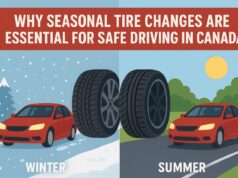
For more information on the importance of safety in various driving scenarios, check out Why Seasonal Tire Changes Are Essential for Safe Driving in Canada.