
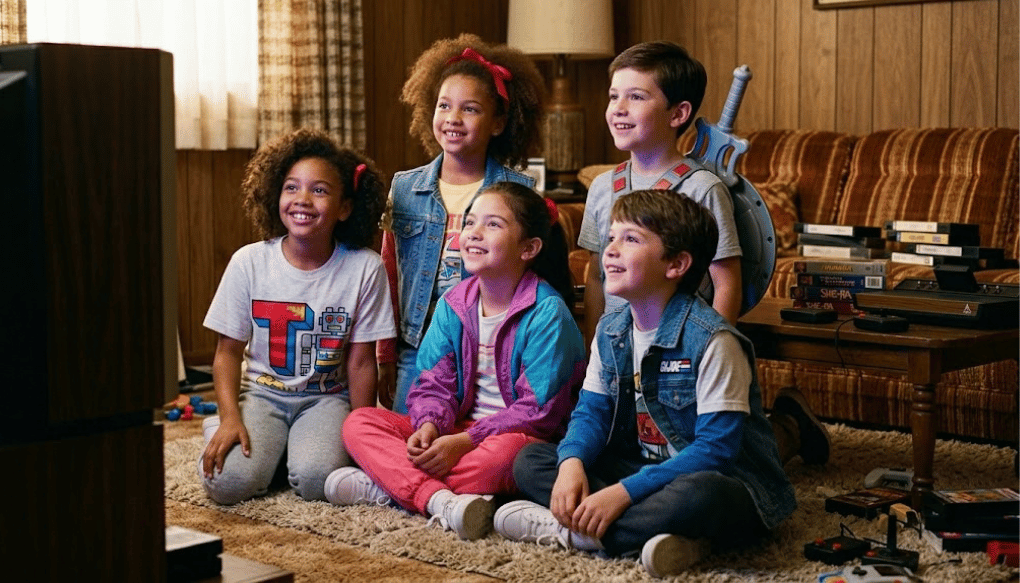
Few television eras trigger nostalgia as quickly as 80s cartoons do for American viewers. Saturday mornings brought robots, superheroes, fantasy warriors, detectives, monsters, and talking animals into millions of homes. Many of those shows later became lasting entertainment franchises.
The decade produced more than memorable theme songs and colorful characters. It also changed children’s television through merchandising, syndication, serialized adventures, and stronger action storytelling. Several series still influence animation, movies, toys, comics, and streaming revivals today. Readers curious about another face of 1980s youth culture can also explore Litycoop’s guide to Anthony Michael Hall.
Quick answer: Top picks include Transformers, He-Man and the Masters of the Universe, Teenage Mutant Ninja Turtles, DuckTales, ThunderCats, The Real Ghostbusters, Inspector Gadget, Jem, Muppet Babies, and G.I. Joe. These characters, stories, toys, and theme songs helped define American childhood during the decade.
Quick Guide to Iconic Shows From the 1980s
| Show | U.S. debut | Main appeal | Best remembered for |
|---|---|---|---|
| The Smurfs | 1981 | Fantasy comedy | Smurf Village and Gargamel |
| He-Man and the Masters of the Universe | 1983 | Fantasy action | Eternia and Castle Grayskull |
| Inspector Gadget | 1983 | Comedy adventure | Gadgets and Dr. Claw |
| Muppet Babies | 1984 | Comedy | Imagination-driven adventures |
| Transformers | 1984 | Science fiction | Autobots versus Decepticons |
| G.I. Joe: A Real American Hero | 1985 | Military action | Team battles and toy tie-ins |
| ThunderCats | 1985 | Fantasy action | Lion-O and the Sword of Omens |
| Jem | 1985 | Music and drama | Holograms, fashion, and music |
| The Real Ghostbusters | 1986 | Supernatural comedy | Animated Ghostbusters adventures |
| DuckTales | 1987 | Adventure comedy | Scrooge McDuck and treasure hunts |
| Teenage Mutant Ninja Turtles | 1987 | Action comedy | Four turtles and pizza |
| Chip ‘n Dale: Rescue Rangers | 1989 | Mystery adventure | Small heroes solving big cases |
| Garfield and Friends | 1988 | Comedy | Garfield’s sarcastic humor |
| Disney’s Adventures of the Gummi Bears | 1985 | Fantasy adventure | Gummi Glen and Gummiberry Juice |
| Alvin and the Chipmunks | 1983 | Musical comedy | Songs and sibling chaos |
Key Takeaways
* American television in the decade mixed fantasy, science fiction, comedy, music, and action. * Toy companies and entertainment studios often developed programs and merchandise together. * Syndication helped many series reach children outside traditional Saturday-morning schedules. * Several franchises later received movies, reboots, games, comics, and new merchandise. * Strong characters and recognizable theme songs helped these programs survive beyond their original runs.
Why 80s Cartoons Became Such a Big Part of American Childhood
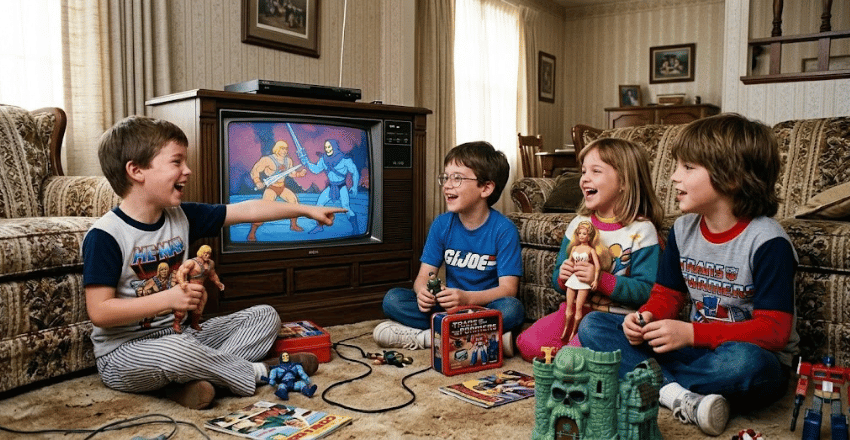
American children had fewer viewing choices than modern audiences. That made scheduled television feel like an event rather than an endless library. Saturday mornings and weekday afternoons often became shared experiences among classmates and siblings.
Merchandising also shaped what appeared on television. Action figures, vehicles, playsets, dolls, comics, and lunchboxes often existed beside the programs. Shows such as Transformers, He-Man, and G.I. Joe became parts of much larger consumer franchises.
The period also produced striking variety. One child could watch fantasy warriors, then switch to mystery, science fiction, or musical comedy. That range helped individual programs create strong identities instead of blending together.
15 80s Cartoons Americans Still Remember
1. Transformers
Transformers reached American television in 1984 and introduced the Autobots and Decepticons to a huge audience. Its central idea was simple and instantly appealing. Giant alien robots could transform into familiar vehicles and machines.
Optimus Prime and Megatron became recognizable far beyond the original television run. The franchise later expanded through toys, comics, games, animated productions, and live-action movies. Few children’s properties from the decade achieved comparable longevity.
2. He-Man and the Masters of the Universe
He-Man brought sword-and-sorcery adventure into weekday television starting in 1983. The series followed Prince Adam, who became He-Man through the power of Castle Grayskull. Skeletor supplied an equally memorable villain.
The program mixed fantasy settings with futuristic technology and unusual supporting characters. That combination made Eternia feel different from traditional medieval fantasy. The Mattel toy line also became closely connected with the television series.
3. Teenage Mutant Ninja Turtles
The 1987 television adaptation turned an unusual comic-book concept into a mainstream phenomenon. Leonardo, Donatello, Raphael, and Michelangelo fought villains while living beneath New York City. Their personalities made the team easy for young viewers to distinguish.
Pizza, catchphrases, colorful masks, and exaggerated villains gave the show a playful tone. The property quickly expanded into toys, movies, games, and countless licensed products. New generations keep getting their own versions of the four brothers.
4. DuckTales
DuckTales premiered in 1987 and placed Scrooge McDuck at the center of globe-spanning adventures. Huey, Dewey, and Louie joined him on treasure hunts and dangerous expeditions. The stories frequently mixed comedy, mystery, history, and fantasy.
The show also demonstrated how ambitious syndicated children’s animation could become. Its popularity strengthened Disney’s television animation business during the late decade. A later reboot introduced the characters to another generation.
5. ThunderCats
After its 1985 debut, ThunderCats combined science fiction with heroic fantasy. Lion-O led a group of survivors from Thundera against enemies including Mumm-Ra. The Sword of Omens became one of the era’s recognizable fictional weapons.
The series stood apart through its dramatic visual style and larger-than-life mythology. Children could enjoy straightforward battles while older viewers noticed broader themes about leadership and responsibility. Its imagery remains closely associated with 1980s animation.
6. The Real Ghostbusters
The success of the 1984 Ghostbusters movie paved the way for an animated continuation. The Real Ghostbusters began in 1986 and followed animated versions of the familiar paranormal investigators. Slimer also became a major part of the program’s identity.
Animation allowed the writers to create creatures and supernatural settings without live-action production limits. Episodes could move from comedy into surprisingly eerie territory. That balance helped the series develop its own audience instead of merely copying the film.
7. Inspector Gadget
Inspector Gadget turned a clumsy detective into an unlikely television hero. Gadget carried countless mechanical tools inside his body, yet his niece Penny often solved the real problem. Brain, the family dog, regularly helped while staying out of the spotlight.
The structure created a dependable comedy formula without making every episode identical. Dr. Claw provided a mysterious recurring villain whose face stayed hidden. Gadget’s voice, coat, hat, and extending devices remain instantly recognizable.
8. G.I. Joe: A Real American Hero
The animated G.I. Joe series expanded Hasbro’s military-themed toy property into a larger fictional conflict. The Joe team faced Cobra across stories involving advanced weapons, secret bases, and international missions. Its ensemble structure gave viewers many characters to follow.
Public-service messages also appeared after episodes. Those short segments became nearly as memorable as parts of the program itself. The show’s relationship with toys remains an important example of 1980s entertainment marketing.
9. Jem
Jem offered something different from the decade’s many action properties. Jerrica Benton used holographic technology to become the glamorous singer Jem. Music, friendship, fashion, romance, and rivalry shaped much of the series.
The Holograms and the Misfits gave the program competing musical identities. Its bright designs now capture the visual style people associate with the period. The combination of technology and pop music also gives the premise a distinctive retro charm.
10. Muppet Babies
Muppet Babies imagined familiar Muppet characters as children sharing a nursery. Through imagination, their ordinary surroundings became anything they wanted. Adventures could move from pirates to outer space without the characters leaving home.
The concept made creativity itself the engine of each story. Kermit, Piggy, Fozzie, Gonzo, and their friends also kept recognizable personality traits. That familiarity helped the show appeal to both children and Muppet fans.
11. The Smurfs
NBC introduced American viewers to The Smurfs television series in 1981. The small blue characters lived together and often dealt with Gargamel’s schemes. Episodes usually combined fantasy, comedy, and simple moral lessons.
The program became a major Saturday-morning presence throughout the decade. Its large cast gave writers many personalities and occupations to use. Later movies and television projects kept the property familiar long after the original series ended.
12. Garfield and Friends
Garfield entered Saturday-morning television in 1988 with his familiar appetite and dry attitude. Stories centered on Garfield, Jon, Odie, and characters from Jim Davis’s comic strip. Separate segments also featured the U.S. Acres cast.
The humor relied more on personality than action. That distinction gave viewers a break from heroes, villains, and fantasy battles. Garfield’s sarcastic observations also gave the show appeal beyond its youngest audience.
13. Chip ‘n Dale: Rescue Rangers
Disney reworked Chip and Dale as members of a miniature detective team in 1989. Gadget Hackwrench, Monterey Jack, and Zipper joined them on cases humans overlooked. Their small size turned everyday environments into large adventure settings.
The detective format created room for mysteries, villains, inventions, and comedy. Gadget also became a particularly popular member of the ensemble. The series later remained visible through reruns and Disney nostalgia.
14. Disney’s Adventures of the Gummi Bears
Adventures of the Gummi Bears premiered in 1985, set in a fantasy world centered on the hidden residents of Gummi Glen. Magic, medieval kingdoms, secret history, and Gummiberry Juice powered its adventures. The series often felt more story-driven than simple gag programming.
It also helped establish Disney’s growing presence in television animation. That groundwork mattered before DuckTales and later Disney series expanded the company’s syndicated success. Fans still remember its energetic theme song.
15. Alvin and the Chipmunks
Alvin, Simon, and Theodore returned to television in a 1983 animated series. Music remained central, but family comedy drove many stories. Dave Seville tried to manage Alvin’s impulsive behavior while keeping the group together.
The show connected characters created decades earlier with a new generation. Cover songs and contemporary pop references helped keep the format current. Later movies and television versions further extended the franchise.
What Made These Shows Feel Different From Modern Animation?
Scheduling created scarcity. Children often had one chance to catch an episode before waiting for a rerun. Missing Saturday morning could mean missing the shared conversation at school.
Commercials and merchandise were also much more visible parts of the experience. A character seen on television might appear in a toy advertisement immediately afterward. That close connection shaped how children experienced many franchises.
Modern animation offers more viewing freedom and usually stronger access to complete seasons. Older programs instead depended on recurring characters, memorable openings, and instantly readable premises. Those qualities helped them survive fragmented viewing schedules.
For more television, film, and pop-culture coverage, readers can browse Litycoop’s Entertainment section. Fans exploring other sides of the decade can also read Litycoop’s profile of Anthony Michael Hall. The actor’s early film career provides another window into American youth culture during the same period.
Why These Shows Still Matter
Nostalgia explains part of their continued appeal, but it does not explain everything. Several franchises developed concepts flexible enough to appeal to new generations. Transformers, TMNT, and He-Man have all returned through major new productions.
Their strongest ideas also remain easy to understand. A transforming robot, heroic turtle, treasure-hunting duck, or magical warrior needs little explanation. Clear concepts make older properties easier to rediscover and reinvent.
Litycoop readers interested in the decade’s broader entertainment culture can also explore the site’s Danny Keough profile. His music career and 1980s background offer a different view of the same cultural period. The Entertainment archive contains more profiles covering television, music, film, and public figures.
Frequently Asked Questions
What were the most popular 80s cartoons in the United States?
Popular choices include Transformers, He-Man, Teenage Mutant Ninja Turtles, DuckTales, ThunderCats, and The Smurfs. The Real Ghostbusters, G.I. Joe, and Muppet Babies also became widely recognized. Popularity varied by year, age group, network, and merchandising reach.
Why did so many animated shows have toy lines?
Changes in American children’s television and marketing encouraged closer relationships between entertainment and merchandise. Companies could build characters that worked across television, toys, comics, and related products. Several major franchises grew through this cross-media approach.
Were all famous animated shows from the decade Saturday-morning programs?
No. Syndicated weekday programming became increasingly important during the period. Some shows reached viewers through afternoon blocks or local station schedules instead.
Which 1980s animated series still have active franchises?
Transformers, Teenage Mutant Ninja Turtles, He-Man, The Smurfs, Garfield, and Disney properties remain commercially active. They have continued through movies, streaming series, comics, games, merchandise, or reboots. Their modern visibility helps younger viewers discover earlier versions.
Revisit the Shows That Shaped a Television Generation
The decade produced an unusual mix of experimentation, merchandising, memorable characters, and appointment television. Some programs aged better than others, but their cultural footprint remains clear. Reboots and new adaptations keep returning because the strongest concepts still connect with audiences.
Start with a show you remember, then try one you missed the first time. Compare its pacing, humor, artwork, and storytelling with current animation. For more retro entertainment and pop-culture coverage, continue exploring Litycoop’s Entertainment section.